
The Lens
Sandton sold R13.5 billion of homes last year. Here is what the number hides.
In 2025 the Sandton residential market moved R13.51 billion across 5,035 transfers.
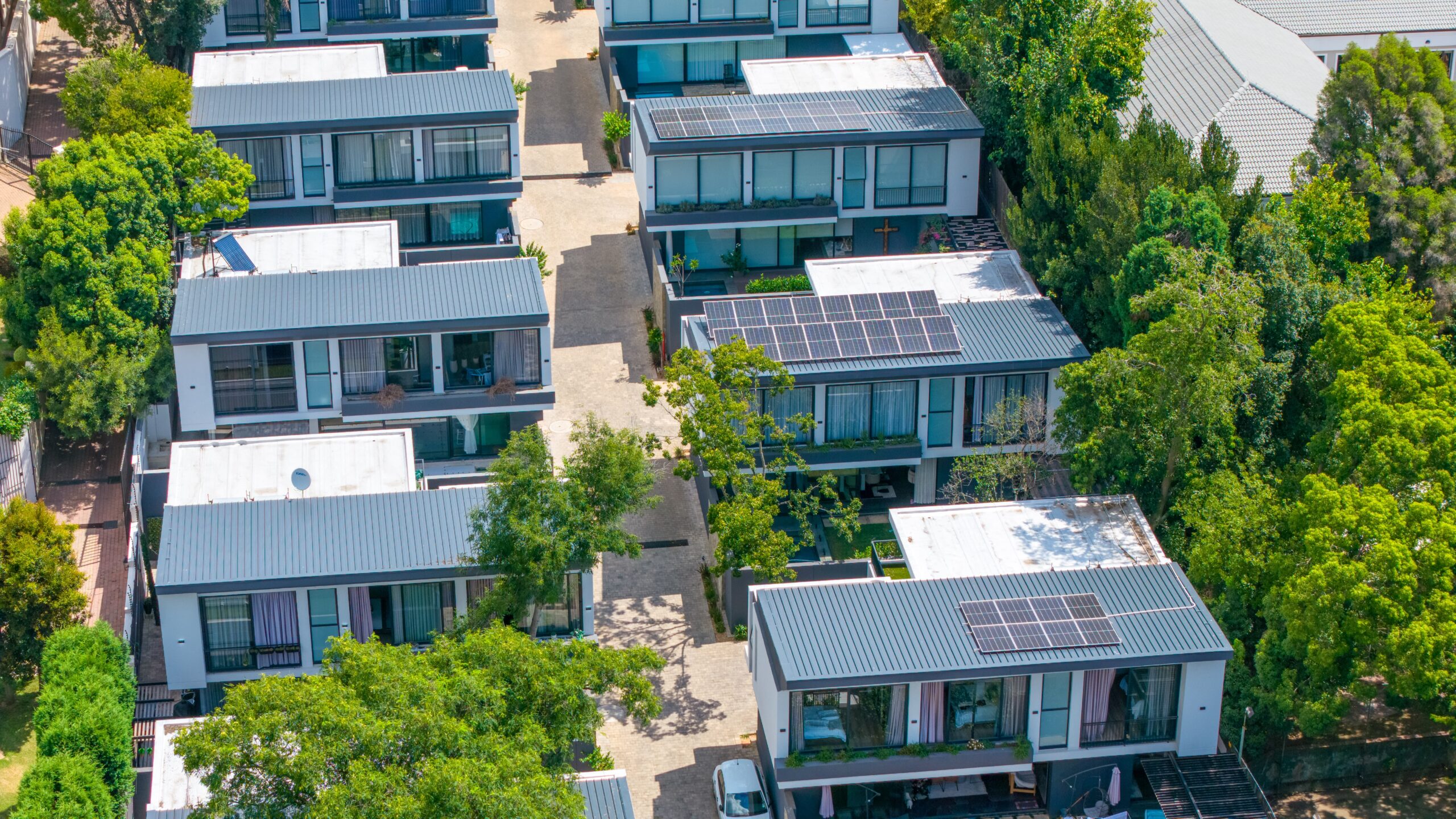
In 2025 the Sandton residential market moved R13.51 billion across 5,035 transfers. Headline strength. But averages hide the story, and the story is about pricing discipline.
Inside that same market, homes above R5 million in Sandhurst and Hyde Park are taking noticeably longer to sell. The market is not rejecting the suburbs. It is rejecting the pricing. Buyers at this level are the most informed they have ever been: they know the comparable sales, the levies, the build cost per square metre, and they can wait.
So the luxury market has split in two. Correctly priced homes in blue-chip streets transact fast, often in weeks, because the buyer pool is liquid and decisive. Aspirationally priced homes sit, get quietly reduced, and eventually sell for less than they would have fetched priced right on day one. Every agent knows this pattern. Few sellers believe it applies to them.
The medium-term picture rewards the patient owner: forecasts for Johannesburg point to cumulative price growth of 30 to 45 percent over five years. But that growth accrues to the suburb, not to your asking price. Overprice by 15 percent today and you can hand three years of appreciation back in a single negotiation.
My advice, whichever side of the transaction you are on: anchor to the transfer data, not the portal listings. Asking prices are opinions. The Deeds Office publishes facts.
If you are weighing a sale or a purchase in the northern suburbs and want the numbers before the narrative, that conversation is exactly what I do all day.