
The Lens
The market is softening. The northern suburbs didn’t get the memo.
FNB's June barometer shows a cooling national market — but Johannesburg's northern-suburbs luxury segment is a different story. Here's what the numbers actually mean.
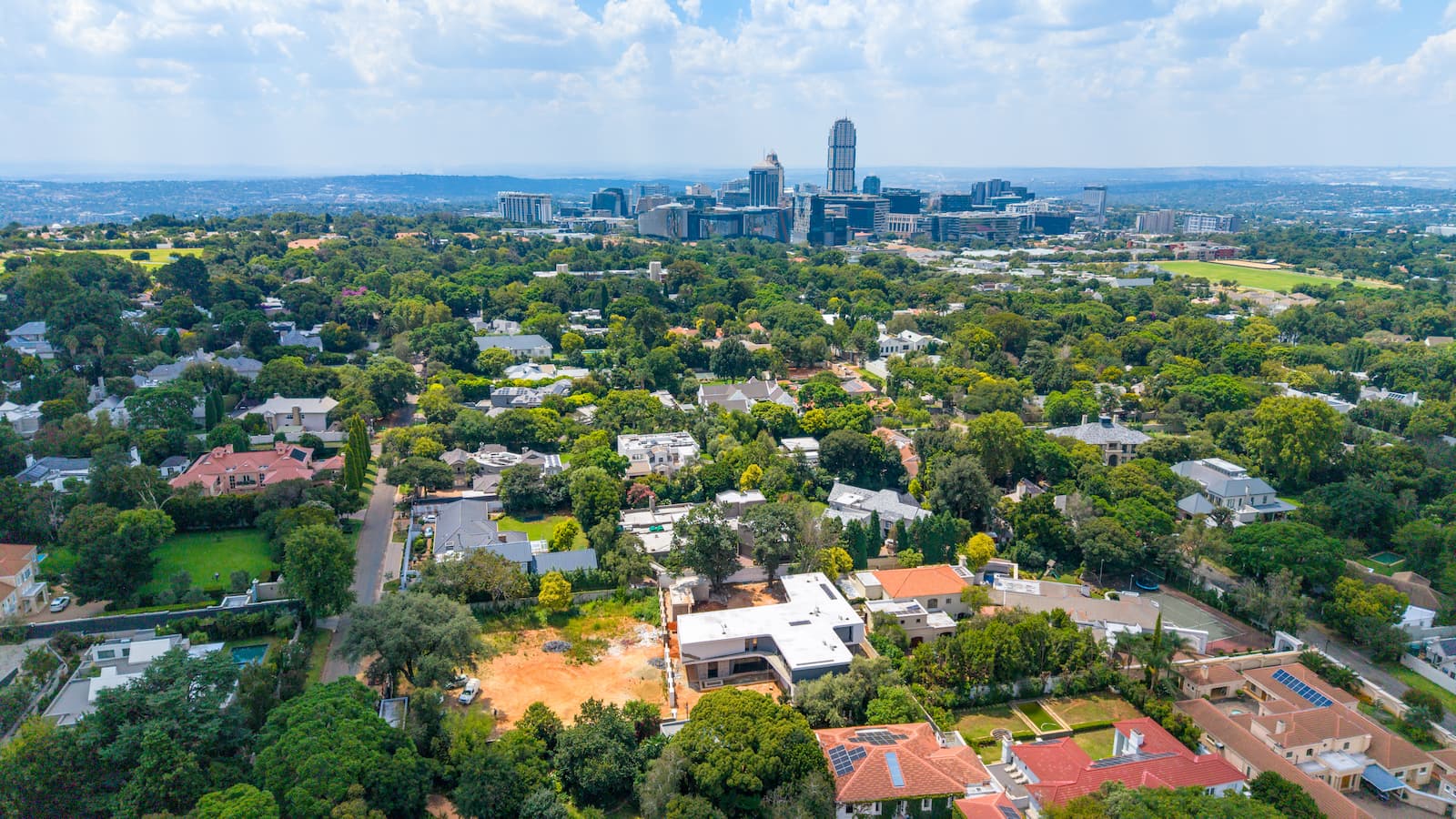
Every few months a property report lands, the headlines reach for the word “slowdown,” and my phone starts buzzing with the same question: is now a bad time to buy or sell?
FNB’s latest Property Barometer, out this week, is the report doing the rounds right now. And on a national reading, the cooling story holds up. But I’ve learned to read these numbers from where I actually work — the luxury belt of Johannesburg’s northern suburbs — and from that seat, the report says something almost the opposite of the headline. Let me decode it.
What the data actually says
Nationally, prices are still rising, just more gently. The FNB House Price Index is up 5.6% year-on-year, but month-on-month growth has flattened to 0.1% in May, down from 0.6% at the start of the year. A prolonged conflict in the Middle East has pushed up operating and living costs, the Reserve Bank has responded carefully, and affordability has tightened. Estate-agent satisfaction with market conditions has fallen from 77% to 59% in a quarter, and in Gauteng, agents’ activity rating slipped to 5.8 out of 10.
So far, so gloomy. But the number that matters most is the one the headlines skip.
FNB breaks activity down by price band — and the pattern is unambiguous. The market above R2.6 million stayed resilient. The lowest end held too. It’s the middle — roughly R750,000 to R2.6 million — that slowed materially. The report’s own explanation: households with genuine financial buffers, who are more sensitive to policy credibility than to interest-rate wobbles, are holding the top of the market up. Meanwhile, buyers under pressure in the middle are stepping back, and some are choosing to rent rather than buy down.
Read that again, because it’s the whole point: the squeeze is happening in a price band that the northern-suburbs luxury market sits entirely above. Almost everything we sell starts north of R3.5 million. The “slowing market” in the headlines is not, in any meaningful sense, our market.
What I’m seeing on the ground
The data and the doing line up. So far in 2026, LuxProp has closed more than R123 million across 16 sales — and the pace has accelerated, not eased, through the exact months the national mood was softening. We’ve transacted across Hyde Park, Birdhaven, Atholl, Hurlingham and Illovo, with a string of closings in the R8–R23 million range and strong demand for brand-new developments and turnkey homes.
That isn’t a victory lap — it’s the evidence behind the argument. When affordability bites, it bites hardest where budgets are thinnest. The buyer purchasing a R9 million Birdhaven home, or a developer-grade home at one of our new launches, is making a different decision, for different reasons, on a different timeline. Confidence, scarcity of quality stock, and the long-term case for a well-located northern-suburbs address matter far more to them than a quarter-point on the repo rate.
What it means for you
If you’re buying: this is a quietly good window. Stock is being withheld at the top — which is exactly why the genuinely good homes still move quickly and competitively. Get your finance lined up in advance, know your suburbs, and be ready to act when the right home appears rather than waiting for a “crash” that the data says isn’t coming to this end of the market.
If you’re selling: demand for quality is robust, but it is discerning. Nationally, homes are sitting on the market for around eleven weeks. The ones that beat that are priced with honesty and presented properly — which, in 2026, increasingly means real photography, video walkthroughs and a clear story, not a tired listing. Price it right and present it well, and the buyers are there.
If you’re investing: note the structural shift FNB flagged — pressured sellers in the lower bands are moving into the rental pool. That tightens rental demand and supports yields, which is worth weighing if you’re choosing between selling and letting.
The longer view
FNB’s own long-term take is that a more productive economy and stronger policy buffers should leave South Africa — and its property market — less exposed to external shocks over time. I’d add a local footnote: the northern suburbs have weathered every cycle of the last decade for a simple reason. They aren’t making more Hyde Park, Sandhurst or Atholl. Scarcity of land, depth of demand, and the quality of what gets built here keep this market a category of its own.
The headlines will keep saying “slowdown.” Read the fine print, and read it from the right seat.
Thinking about a move in the northern suburbs? Browse our current listings, see what we’re launching, or tell me what you’re looking for — every viewing is handled personally.